Unlocking Sequential Reward Structures Through Optimized Verification Processes in Mobile Environments Integrating Automated Reels and Live Sports Interactions
Written by Yves Friedrich · Aug 15, 2026
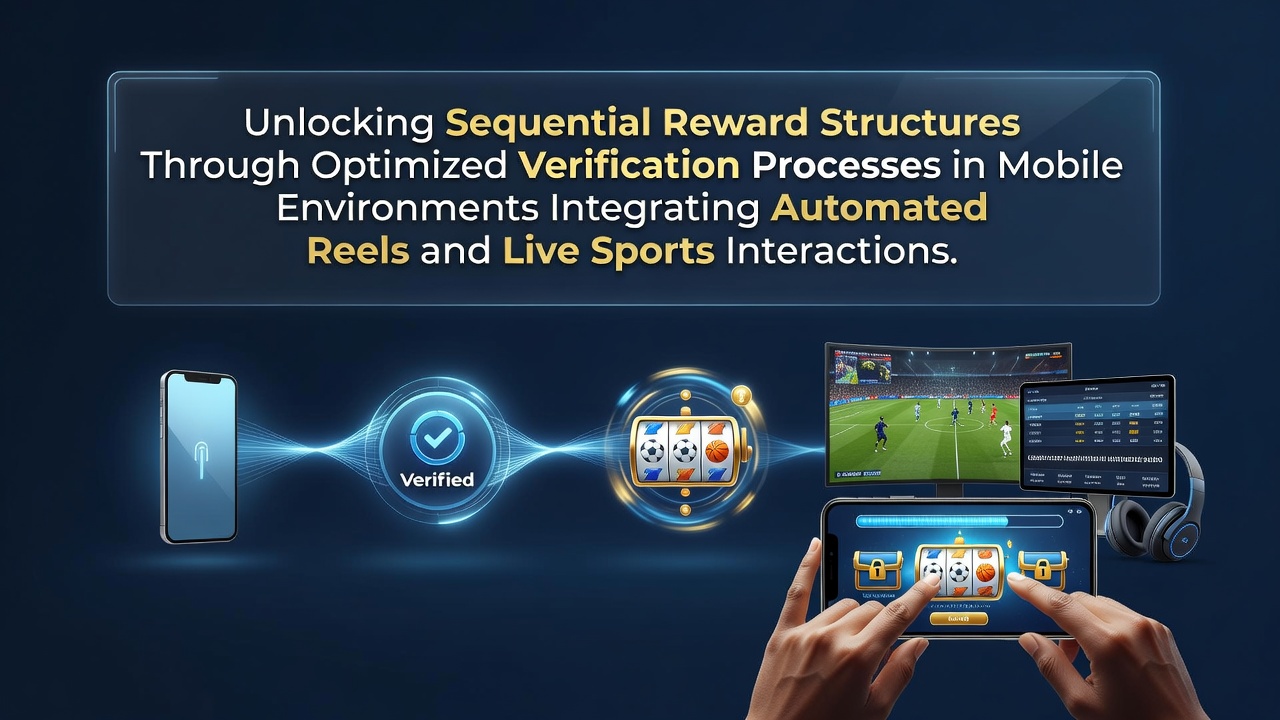
Unlocking Sequential Reward Structures Through Optimized Verification Processes in Mobile Environments Integrating Automated Reels and Live Sports Interactions
Verification processes in mobile environments that combine automated reels with live sports interactions operate through layered checks designed to confirm user identity and transaction details before rewards activate in sequence. These systems rely on automated protocols that scan documents, cross-reference data with external databases, and approve access once criteria are met. Data from industry reports show that processing times vary based on network conditions, device compatibility, and the complexity of each verification stage, which in turn affects when sequential rewards become available across both reel mechanisms and sports prediction features.
Core Components of Mobile Verification Systems
Automated verification begins with initial account setup where users submit identification details through app interfaces, and algorithms then validate information against regulatory requirements in different jurisdictions. Payment method confirmation follows as a separate step that integrates with banking networks to authorize deposits, while additional layers handle location checks to ensure compliance with regional rules. Observers note that in August 2026 several platforms reported reduced average verification windows after implementing AI-assisted document scanning, allowing users to move from registration to active participation in reel cycles and athletic forecasts more rapidly than in prior periods.
Sequential reward structures depend on these verification milestones because each completed stage unlocks the next tier of incentives tied to activity volume or specific interaction types. For instance, once identity verification clears, users gain access to base reward pools connected to automated reel spins, and further transaction approvals trigger eligibility for sports interaction bonuses that build on prior activity. Research indicates that platforms coordinating these elements report higher completion rates for reward sequences when verification occurs without interruptions from manual reviews.
Integration Patterns Between Reels and Sports Features
Mobile applications merge automated reel systems with live sports interactions by routing both through a unified verification framework that tracks user progress across categories. Reel mechanisms generate outcomes through random number generators that feed into reward counters, while sports prediction tools update in real time based on event data feeds. The shared verification backbone ensures that activity in one area contributes to cumulative progress toward tiered rewards that span both domains, creating linked progression paths rather than isolated tracks.
Figures from technology providers reveal that optimized verification reduces drop-off points where users abandon sequences due to delays. In environments where reels and sports features operate simultaneously, verification speed influences how quickly users can accumulate points from mixed interactions, such as completing reel sessions that qualify them for enhanced odds in upcoming athletic events. Those who have studied these platforms observe that synchronization between the two feature sets requires consistent data flows from verification modules to reward engines.
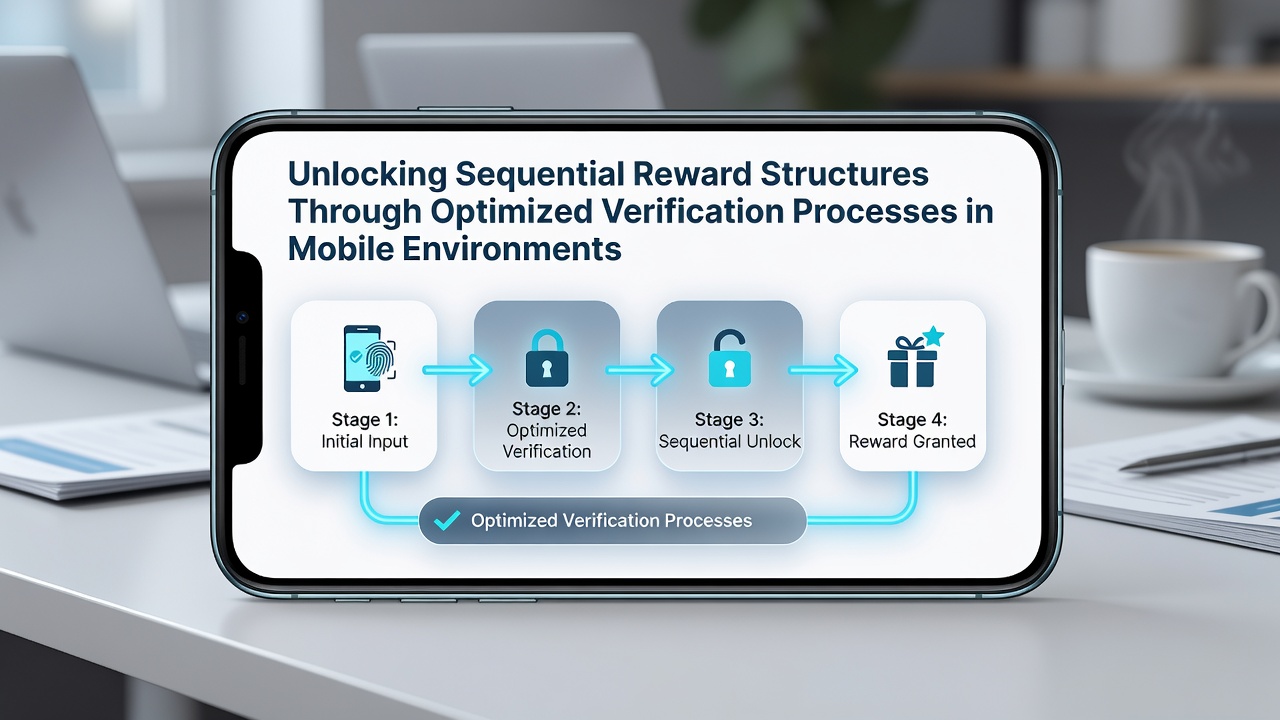
Impact of Processing Timelines on Reward Progression
Shorter verification timelines correlate with smoother transitions through sequential reward levels because each approval step feeds directly into eligibility calculations for the next incentive layer. Platforms that employ real-time cross-checks with third-party services complete identity and payment validations in minutes rather than hours, which allows continuous engagement across reel automation and live sports interfaces. Studies conducted by research institutions show that users who complete verification within the first session maintain higher activity continuity compared with those facing extended review periods.
Transaction velocity plays a documented role in how quickly cumulative prize structures activate, particularly when mobile environments handle both deposit confirmations and in-app activity logs simultaneously. According to findings from the American Gaming Association, faster payment authorizations contribute to accelerated loyalty tier movements in systems that blend automated reels with sports prediction tools. Yet variations persist across regions, where local data protection rules can extend certain verification steps even as other processes remain streamlined.
Technical Considerations in Combined Mobile Platforms
Developers integrate verification APIs that communicate with both reel engines and sports data streams to maintain accurate reward sequencing without conflicts. These APIs monitor completion status across features and adjust unlock conditions dynamically based on verified user status. Evidence from platform analytics indicates that when verification modules handle high volumes during peak sports events, reel-based reward cycles continue uninterrupted provided the system maintains parallel processing capacity.
Geographic differences appear in how verification integrates with reward structures, as operators adapt protocols to meet standards set by bodies such as the Nevada Gaming Control Board and the Australian Communications and Media Authority. Industry data compiled by the American Gaming Association highlights that platforms achieving sub-five-minute verification averages report more consistent user progression through multi-feature reward sequences. This pattern holds across devices when optimization accounts for varying connection qualities and operating system versions.
Conclusion
Verification processes serve as the gatekeepers for sequential reward activation in mobile environments that integrate automated reels and live sports interactions. Optimized timelines enable smoother progression through tiered structures by aligning identity checks, payment approvals, and activity tracking into coordinated flows. Data collected through 2026 demonstrates measurable links between processing efficiency and reward completion rates, underscoring the operational importance of these systems across combined entertainment platforms.