Tracking Activity Milestones That Activate Tailored Rewards Across Live Dealer Tables and Mobile Event Bets
Written by Sam Hoffmann · Aug 22, 2026
Tracking Activity Milestones That Activate Tailored Rewards Across Live Dealer Tables and Mobile Event Bets
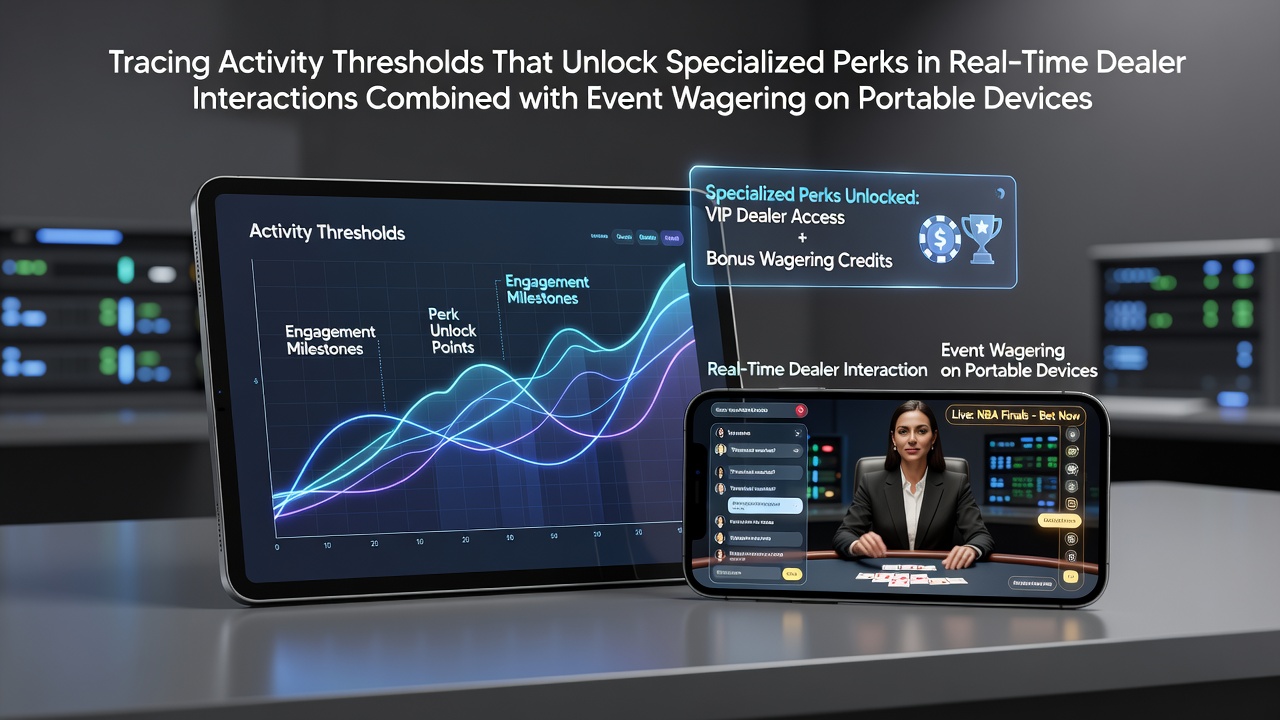
Platforms that combine real-time dealer sessions with event wagering on portable devices operate through structured activity systems where cumulative actions determine access to specialized rewards. These systems record bets placed at live tables, wagers on sporting outcomes, session durations, and participation frequency to calculate progress toward defined thresholds. Data from multiple operators shows that reaching specific volumes often unlocks benefits such as priority seating at dealer tables, customized odds adjustments, or accelerated payout processing for combined activity streams.
How Threshold Systems Operate in Integrated Mobile Environments
Operators design these programs so that activity in live dealer interactions feeds directly into the same tracking metrics used for event wagering. A player who completes a set number of hands at blackjack tables while also placing concurrent bets on athletic events accumulates points at a faster rate than those focused on single categories. Studies from industry monitoring groups indicate that many platforms set initial thresholds around 500 combined activity units per month, with higher tiers requiring 2,000 or more units that blend table time and prediction volume. This approach encourages sustained engagement across both features rather than isolated use.
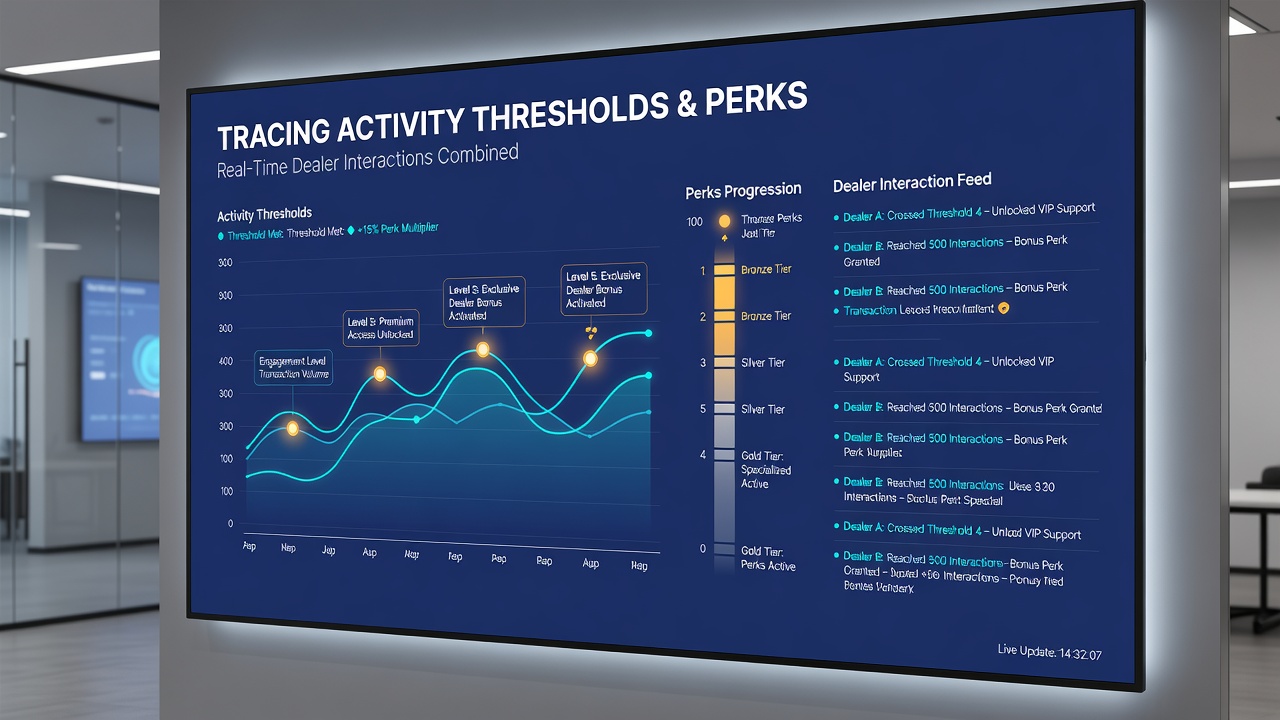
Activity units typically derive from wager amounts, number of completed rounds, and time spent in active sessions. Those who study platform mechanics note that live dealer contributions often carry multipliers during peak hours, whereas event wagering points accumulate steadily regardless of timing. The result appears in user dashboards that display progress bars segmented by category, allowing participants to see exactly how close they stand to the next reward level.
Perks Activated at Successive Activity Levels
Entry-level thresholds commonly grant access to standard live tables with standard betting limits alongside basic event wager options. Mid-tier milestones frequently introduce reserved dealer tables, reduced commission rates on certain wagers, and enhanced odds displays for selected sporting events. Higher thresholds open exclusive features such as private dealer streams, personalized event notifications, and combined bonus structures that apply across both live interactions and mobile predictions.
One documented pattern shows operators granting loyalty credits that convert into additional betting power only after users surpass activity markers in both dealer sessions and event forecasts simultaneously. This dual-requirement structure ensures participants maintain balanced engagement rather than concentrating on whichever feature yields quicker points. Figures released by regulatory bodies in various jurisdictions reveal that such layered programs correlate with longer average session times across mobile applications.
Regional Developments Observed in August 2026
Reports compiled through August 2026 highlight continued refinement of these threshold models in markets where mobile gaming regulations permit integrated live and event features. Several operators adjusted their point conversion rates to account for increased participation following hardware updates that improved real-time streaming quality on portable devices. Observers tracking these changes note that platforms now display more granular breakdowns of how live dealer rounds contribute versus event wagers, giving users clearer visibility into their standing.
Cross-border data comparisons indicate that North American and European operators employ similar threshold structures, although payout speed perks vary according to local licensing requirements. Australian regulatory summaries from the same period show emphasis on responsible play indicators built into the activity tracking interfaces themselves. These additions allow users to set personal limits that automatically pause point accumulation once predefined boundaries are reached.
Technical Integration of Tracking Mechanisms
Backend systems synchronize data streams from dealer software and event wagering engines into unified user profiles. Each completed action receives a timestamp and category tag before feeding into the central calculation engine. Developers maintain separate logs for live interactions versus prediction activity so that platform managers can analyze which feature drives progression most effectively at different user segments.
Security protocols encrypt these records to prevent unauthorized adjustments to threshold status. Regular audits by independent testing laboratories verify that the automated systems apply rules consistently across all accounts. According to analyses published by teh Nevada Gaming Control Board, accurate tracking directly influences player retention metrics when rewards activate promptly upon threshold achievement.
Future Adjustments Based on Usage Patterns
Operators continue to evaluate how seasonal fluctuations in event wagering volume affect live dealer participation rates. During periods with fewer major sporting events, some platforms temporarily lower certain thresholds to maintain overall activity levels. Conversely, high-profile competitions often trigger temporary increases in required units for top-tier rewards, reflecting higher natural engagement.
Research conducted by the Australian Gambling Research Centre suggests that transparent communication of threshold requirements correlates with higher user satisfaction scores. Platforms that display real-time progress alongside historical averages allow participants to adjust their habits accordingly without external prompts.
Conclusion
Activity threshold systems that span real-time dealer interactions and mobile event wagering represent a coordinated approach to reward distribution. These frameworks record diverse actions within a single metric, apply consistent rules across categories, and unlock benefits only after users demonstrate sustained participation. Data gathered through mid-2026 indicates ongoing refinement of these models in response to technological improvements and regulatory expectations. The mechanisms remain central to how operators structure loyalty progression on portable platforms that host both live dealer adn prediction features.