Synchronizing Transaction Protocols with Tiered Incentive Structures Across Reel Progressions and Event Forecasting Applications
Written by Sam Hoffmann · Aug 18, 2026
Synchronizing Transaction Protocols with Tiered Incentive Structures Across Reel Progressions and Event Forecasting Applications
Platforms that combine automated reel mechanisms with event forecasting tools rely on synchronized transaction protocols to align payment processing speeds with tiered incentive structures, and researchers have documented how these alignments affect user progression through loyalty layers while unlocking sequential rewards tied to both reel advancements and prediction outcomes. Data from multiple jurisdictions shows that verification timelines directly shape the rate at which participants access escalating bonus structures, particularly when applications merge slot symbol progressions with athletic or event-based forecasting interfaces.
Protocol Integration in Hybrid Gaming Environments
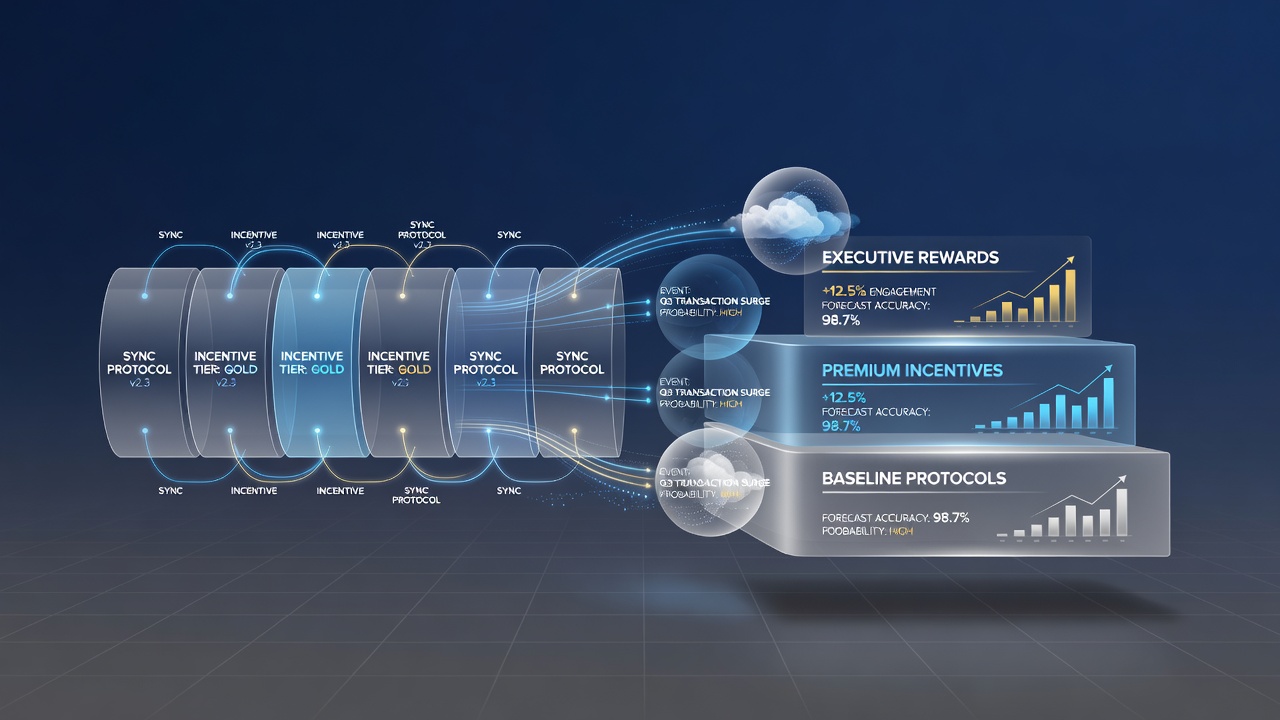
Transaction protocols in these systems coordinate real-time payment confirmations with the activation of tiered rewards, so that faster settlements trigger immediate eligibility for higher loyalty levels that enhance reel progression rates and refine forecasting accuracy metrics. Observers note that applications employing unified ledgers allow deposits to propagate across both reel cycles and prediction modules simultaneously, reducing latency that previously separated reward unlocks in isolated verticals. In August 2026, figures released by the Nevada Gaming Control Board highlighted a measurable uptick in cross-vertical transaction volumes on platforms that adopted these synchronized frameworks, with average settlement times dropping below three seconds in optimized environments.
Tiered Incentives and Their Link to Reel and Forecast Mechanics
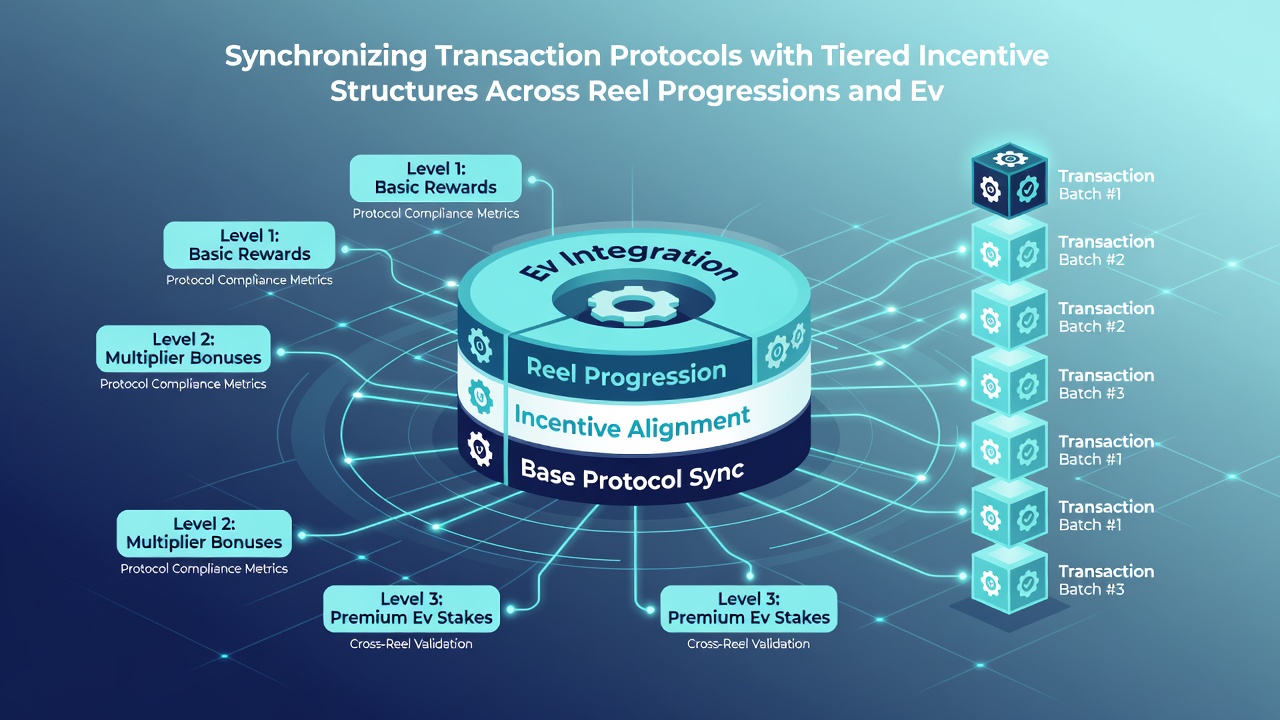
Tiered incentive structures scale rewards according to cumulative transaction volumes and activity frequency, granting participants access to advanced reel modifiers such as expanded symbol sets or accelerated progression multipliers once they reach defined thresholds, while simultaneously elevating forecasting tools through improved data feeds and risk assessment layers. Studies conducted by the Australian Gambling Research Centre indicate that users who complete verified transactions within narrow time windows advance tiers 27 percent faster than those experiencing delays, and this acceleration compounds when platforms tie reel milestones directly to event prediction accuracy bonuses. One documented case involved a North American operator that synchronized its payment gateway with loyalty algorithms, resulting in a 19 percent rise in combined reel and forecast session lengths among mid-tier participants over a six-month period.
Verification Timelines and Reward Sequencing
Verification timelines serve as the critical junction where transaction protocols meet incentive delivery, and evidence suggests that platforms minimizing these intervals experience smoother reward sequencing across both reel progressions and event forecasting modules. Researchers at the University of Macau's gaming studies unit tracked several applications in 2026 and found that delays exceeding eight seconds in confirmation correlated with stalled tier ascents, which in turn limited users' exposure to progressive reel features and refined prediction interfaces. Applications that route transaction data through centralized ledgers bypass these bottlenecks, allowing rewards to activate in parallel rather than sequentially, so that a completed deposit instantly influences both symbol progression multipliers and forecasting probability adjustments.
Regional Regulatory Influences on Synchronization Standards
Regulatory frameworks across different regions shape how operators implement these synchronized systems, with the Malta Gaming Authority requiring audit trails that link every transaction confirmation to subsequent tier movements in combined reel and prediction environments. Canadian provincial regulators have similarly emphasized transparent data mapping between payment gateways and loyalty engines, ensuring that reel advancement credits and event forecast enhancements remain traceable to verified user activity. These requirements encourage developers to design protocols that embed incentive triggers within the transaction layer itself, rather than relying on post-settlement batch processes that introduce variability.
Future Trajectories for Protocol and Incentive Alignment
Industry reports project continued refinement of these synchronization methods through 2027, with emphasis on embedding machine learning models that predict optimal tier thresholds based on real-time transaction patterns across reel and forecasting verticals. Data compiled by the American Gaming Association shows that operators investing in unified protocol stacks recorded higher retention rates among users who engage with both slot progressions and event predictions, because reward delivery remains consistent regardless of which vertical generates the activity. Those patterns hold when applications maintain strict separation between financial ledgers and game logic while still allowing incentive signals to flow bidirectionally.
Conclusion
Transaction protocol synchronization with tiered incentives continues to define operational efficiency in applications that span reel progressions and event forecasting, and available data confirms that reduced verification intervals directly support faster, more predictable reward distribution across both domains. Regional regulators maintain oversight through audit requirements that preserve traceability, while ongoing technical developments focus on tighter integration that preserves user progression continuity without introducing latency between payment confirmation and incentive activation.