Payment Pulse Points: How Transaction Timings Dictate the Rhythm of Loyalty Tier Climbs in Portable Prediction and Slot Ecosystems
Written by Yves Friedrich · Oct 20, 2026
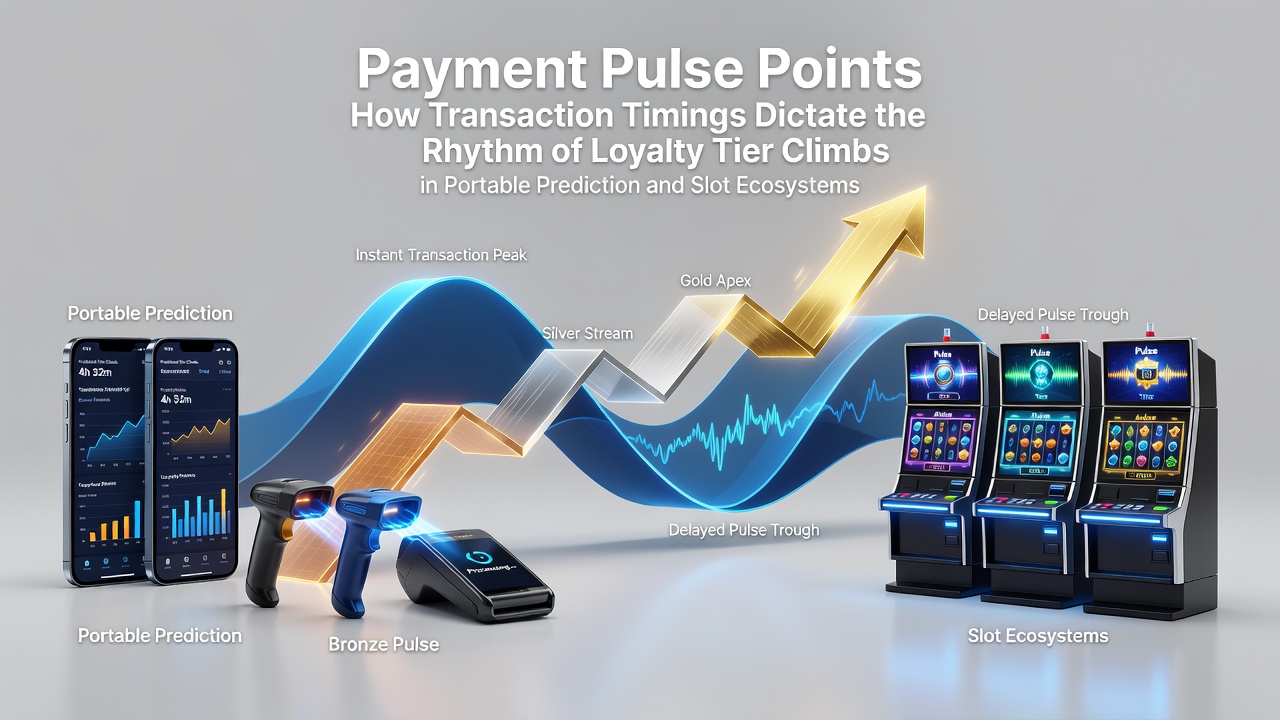
Payment Pulse Points: How Transaction Timings Dictate the Rhythm of Loyalty Tier Climbs in Portable Prediction and Slot Ecosystems
Transaction timings in mobile prediction platforms and slot ecosystems create measurable effects on how quickly users advance through loyalty tiers, since deposit confirmations, withdrawal verifications, and processing windows directly influence the frequency of eligible wagers and the accumulation of tier points. Data from industry monitoring groups shows that shorter authorization cycles allow repeated deposit sequences within the same session, which in turn feeds into progressive reward structures across both athletic forecast tools and automated reel systems. Observers note that these rhythms become especially visible during peak activity periods when network loads and banking partner responses vary.
Core Mechanics of Timing in Portable Systems
Portable prediction applications record each verified transaction as a pulse point that counts toward tier thresholds, and the interval between initiation and confirmation determines whether a user can chain multiple actions before daily or weekly caps reset. Studies from gaming research institutions indicate that average processing windows range from under ten seconds for instant methods to several minutes for traditional bank transfers, creating different patterns of play volume. When confirmations arrive rapidly, participants maintain momentum in live sports prediction interfaces while simultaneously triggering reel progressions in connected slot modules, because the same account balance supports continuous activity across both formats.
Slot ecosystems operate on similar pulse logic, where each deposit timing affects how many spins or bonus entries accumulate before a tier review cycle closes. Researchers have documented cases in which delayed verifications push point totals into the next calendar period, effectively slowing ascent rates even when total spend remains constant. This separation between spend and recognition produces measurable divergence in tier climb speeds among otherwise similar user cohorts.
Interaction Between Prediction and Slot Modules
Combined platforms link sports forecast and slot features through shared loyalty ledgers, so a fast transaction in one area can unlock tier benefits that apply immediately to the other. According to figures released by the American Gaming Association, mobile users who complete deposits within thirty seconds show higher rates of cross-module engagement than those experiencing longer waits. The integration means that a verified prediction wager can contribute points that carry over to slot multipliers, and vice versa, provided the timing aligns with system synchronization windows.
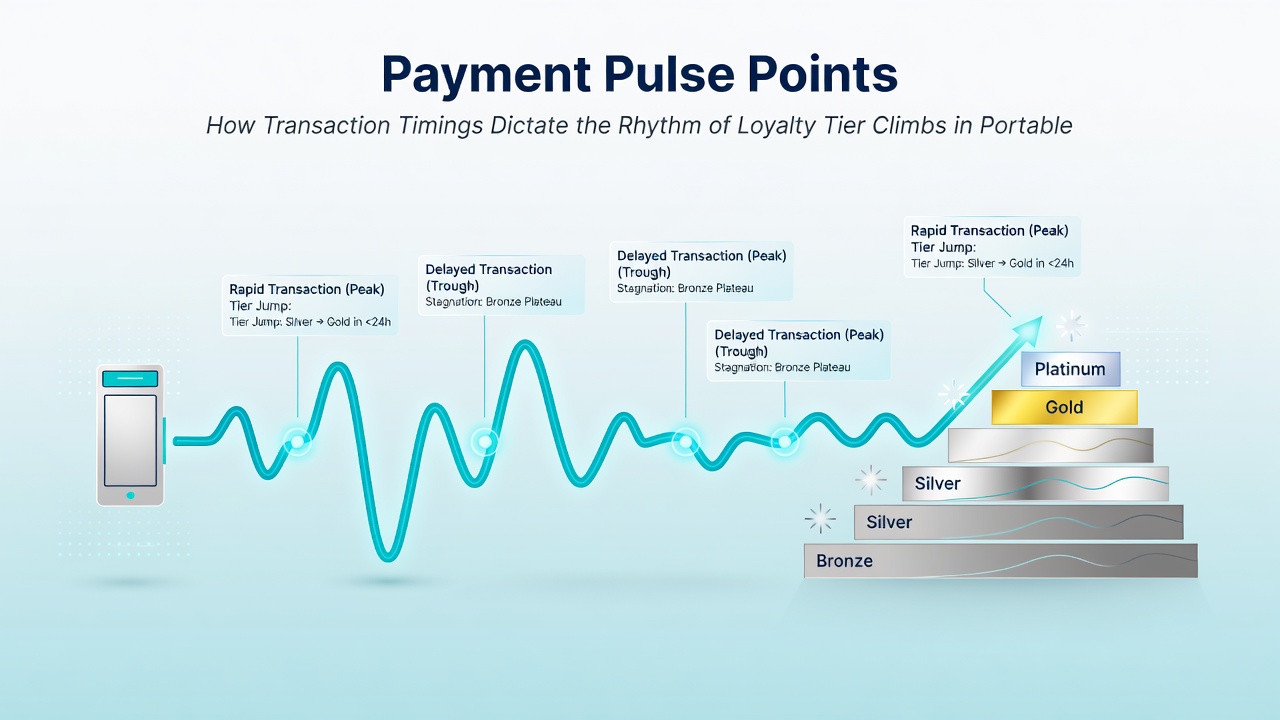
Those who have tracked user behavior across multiple jurisdictions report that regulatory reporting requirements in places such as iGaming Ontario sometimes introduce additional verification layers that stretch timing intervals. These layers, while designed for compliance, shift the rhythm of point accrual and can require users to adjust deposit schedules to maintain steady tier progress. In October 2026, updated reporting protocols in several North American markets coincided with observed changes in average tier climb durations for mobile prediction and slot combinations.
Data Patterns and Regional Variations
Analysis of transaction logs reveals that regions with widespread adoption of real-time payment rails experience tighter clustering of loyalty events, because confirmation times compress into narrower bands. European regulatory bodies have published aggregate statistics showing that platforms supporting instant bank transfers record more frequent tier upgrades per active account than those relying on card-based flows alone. The difference appears most clearly in combined sports and slot environments where point multipliers activate only after balance updates complete.
One documented pattern involves users who schedule deposits around known processing peaks, such as major sporting events, to align confirmation windows with bonus availability periods. This strategic timing maximizes the number of counted actions within a single tier cycle. Research papers from academic gaming centers have examined these behaviors and found consistent correlations between reduced latency and accelerated progression, independent of total monetary outlay.
Conclusion
Transaction timings function as the underlying rhythm that governs loyalty tier movement in portable prediction and slot ecosystems, because each confirmation event feeds directly into point ledgers and determines when thresholds are crossed. Evidence from regulatory reports and platform analytics demonstrates that variations in processing speed produce observable differences in climb rates across user groups. As mobile systems continue to integrate faster payment options, teh relationship between timing precision and tier outcomes remains a central factor tracked by operators and oversight bodies alike.